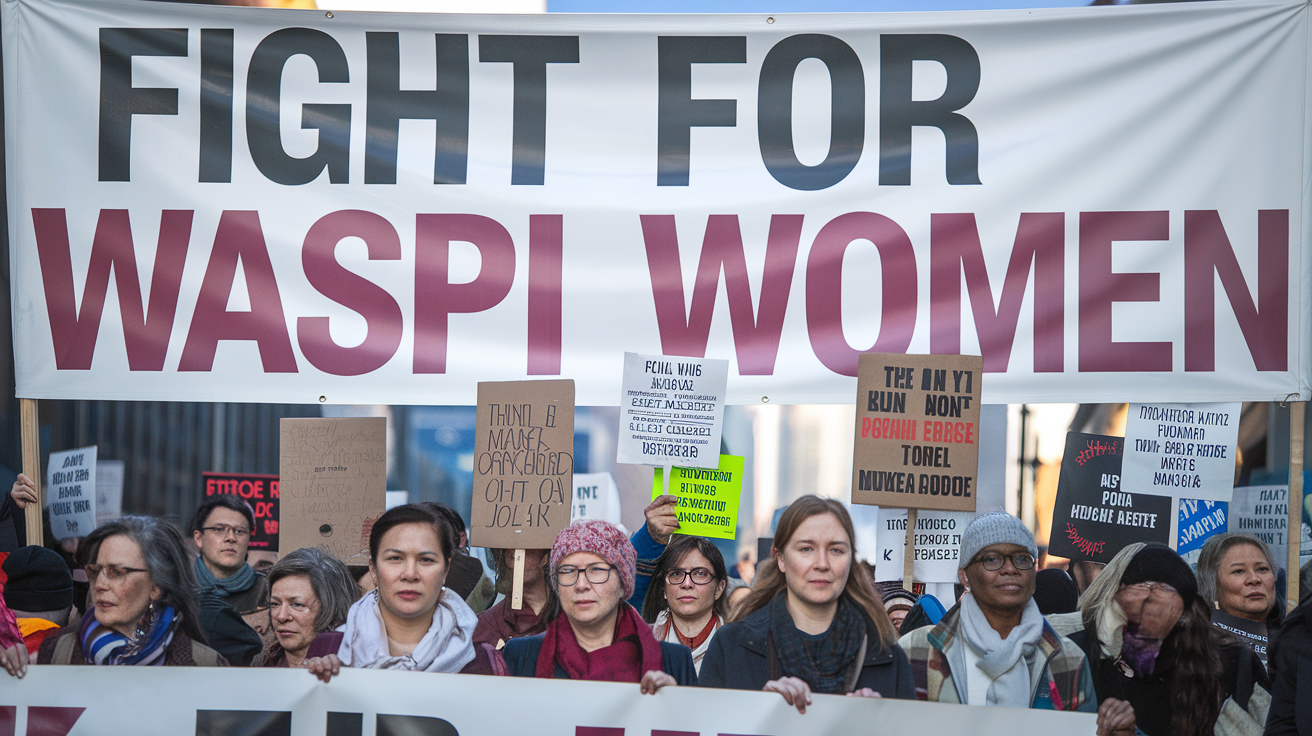
Keir Starmer faces Labour rebellion over WASPI women’s compensation, and this has quickly become a hot topic in UK politics. Many Labour MPs are unhappy because they feel the government has turned its back on women born in the 1950s, who lost out when the state pension age was raised without clear warning. These women are known as the WASPI group, and they have been fighting for years to get fair treatment. Now, Starmer is under pressure because some MPs in his own party are ready to stand against him on this matter. This is more than just about money; it is about trust and fairness. The issue is bringing new debates about how governments should treat promises, how people should be informed of changes, and how much responsibility leaders have when so many lives are affected.
The debate over WASPI women’s compensation is not simple, and that is why Keir Starmer faces Labour rebellion over WASPI women’s compensation with so much heat. Labour had shown support for the women in the past, but now that they are in power, many feel the tone has changed. MPs argue that the government should respect the Ombudsman’s call for some form of payment to women who were not properly informed about pension changes. On the other side, the government worries about the cost, which could run into billions, and the effect on taxpayers. Campaigners say this is not just about money but about justice, as thousands of women had their retirement plans destroyed. For many, it feels like a broken promise, and that has caused anger inside and outside the party. What happens next may shape how people view Labour’s fairness and leadership for years to come.
Keir Starmer Faces Labour Rebellion Over WASPI Women’s Compensation: Why It Matters
Keir Starmer faces Labour rebellion over WASPI women’s compensation, and this issue is shaking the party. Many MPs feel angry because women born in the 1950s were affected by the sudden rise in the state pension age, and they were not warned properly. These women, called WASPI, have been asking for fair treatment for years, and now some Labour MPs are ready to oppose the government if no compensation is offered. The problem is not just about money but about fairness, trust, and keeping promises. It has also created debates about how the government informs citizens about major changes. The decision could impact the party’s image, showing whether it listens to people it represents. Millions of women are affected, and the pressure on Starmer grows every day as the rebellion gains attention from the media and the public.
Who Are the WASPI Women and Why Are They Angry?
WASPI women are those born in the 1950s who had their state pension age increased faster than expected, leaving many unprepared for retirement. They feel frustrated because the government did not give them enough notice or support to plan for this change. Many women had been counting on their pensions at a certain age and now face financial struggles. Campaigners have been asking for compensation for years, saying it is a matter of justice. The anger is not just about money but also about feeling ignored and treated unfairly. Women in this group have been speaking publicly, sharing their stories, and organizing protests. Their voices have drawn attention from MPs and the media, and it has forced the government to respond. The situation highlights how important clear communication and fairness are when making big changes that affect people’s lives.
Why Labour MPs Are Speaking Out Against Their Leader
Some Labour MPs are openly criticizing Keir Starmer because they believe the government should compensate WASPI women. They feel that the party had promised to support these women and now seems to be changing its position. MPs argue that fairness and justice should come first, even if it costs money. They worry that refusing compensation will damage Labour’s reputation and make people feel the party does not care about those affected. The rebellion is growing because more MPs see it as a moral issue rather than just financial. It also shows how internal disagreements can appear in public, creating pressure on party leaders. This rebellion could influence future votes and policies, and it highlights the importance of listening to both party members and citizens. The outcome will be closely watched by the public and the media.
What the Ombudsman Said About WASPI Women’s Rights
The Parliamentary and Health Service Ombudsman reviewed the situation and found that many WASPI women were not properly informed about changes to their pensions. The Ombudsman recommended some form of compensation, stating that it was unfair to leave women struggling because of poor communication. This report gave strength to the campaigners and added pressure on the government. MPs are using the findings to argue that the women deserve recognition and support. The recommendation highlights the government’s responsibility to ensure fairness and transparency. Ignoring it could make people lose trust in politicians and institutions. Many feel that following the Ombudsman’s guidance would be a fair way to show respect for those affected and to help correct a mistake that has had a big impact on women’s lives. The debate continues as everyone watches what action will be taken next.
The Big Question: Should Compensation Be Paid or Not?
The main question is whether the government should pay WASPI women compensation. Campaigners say it is a matter of fairness, justice, and keeping promises to citizens. The government argues that compensation could cost billions of pounds and may not be fair to all taxpayers. MPs who support the women feel strongly that money is not the only issue; fairness and trust are more important. Many people believe that a small payment would help right a wrong and show that the government cares about those affected. The debate has caused tension inside the Labour Party because some MPs want to oppose their leader, while others support the decision. Public opinion is divided, and the outcome could influence elections and how people view political promises in the future.
How Much Could WASPI Compensation Cost the UK?
The estimated cost of compensating WASPI women could reach billions of pounds, depending on how many women are included and the payment amount. Some reports suggest it could be around £10 billion if all affected women receive support. The government worries about this impact on taxpayers and the national budget. Campaigners argue that the amount should not matter as much as fairness and justice for those affected. MPs supporting compensation say that even partial payments would help many women who face financial difficulties. The debate over cost versus fairness is central to the discussion, and it has caused divisions within the Labour Party. People are watching closely to see if the government will find a way to balance justice for WASPI women with financial responsibility.
Keir Starmer Faces Labour Rebellion Over WASPI Women’s Compensation: What It Means for His Leadership
The rebellion over WASPI women’s compensation could affect Keir Starmer’s leadership and public image. MPs openly challenging their leader can make the party look divided and weak. It shows that promises and fairness are important issues that can influence political power. If Starmer ignores the rebellion, it may create more frustration within Labour and among voters. On the other hand, finding a compromise could strengthen trust and show that the government listens to its citizens. Leadership is tested when moral and financial decisions collide, and this situation is a clear example. How Starmer handles it may shape his reputation for years. The outcome will be seen as a reflection of fairness, accountability, and the ability to manage party differences while keeping public trust.
What Could Happen Next in the WASPI Compensation Row
The next steps could include debates in Parliament, more public protests, or discussions about partial compensation. Labour MPs may vote against their leader if no solution is found, which could create bigger challenges for the party. Campaigners will continue pressing for recognition, and media coverage will keep attention high. The government might consider smaller payments, support programs, or legal solutions to balance fairness and cost. Public opinion will play a key role, and politicians will need to show they are listening. How the situation develops may influence future policies on pensions and citizen rights. The WASPI compensation row is not just about money; it is about fairness, promises, and trust in government, making it a topic that could affect politics for a long time.
Conclusion
The WASPI women’s compensation issue shows that fairness is very important in politics. Keir Starmer faces Labour rebellion over WASPI women’s compensation because many MPs feel that the women were treated unfairly. People are watching to see if the government will help them or not. The decision will show how much leaders care about promises and trust.
This debate also teaches us that even small groups of people can make a big difference. The women are speaking up for what is right, and MPs are listening. The outcome may change how people see politicians and fairness. It reminds everyone that clear communication and justice matter a lot in life and in government.
FAQs
Q: Who are the WASPI women?
A: WASPI women are those born in the 1950s affected by the state pension age increase.
Q: Why are Labour MPs rebelling?
A: Some Labour MPs are unhappy because the government refuses to pay compensation to WASPI women.
Q: How much could compensation cost?
A: Estimates suggest it could cost around £10 billion if all affected women are included.
Q: What did the Ombudsman recommend?
A: The Ombudsman recommended that WASPI women receive some form of compensation due to poor communication of pension changes.
Q: What is the main issue with WASPI compensation?
A: The main issue is fairness and trust, as many women feel they were treated unfairly and not properly informed.