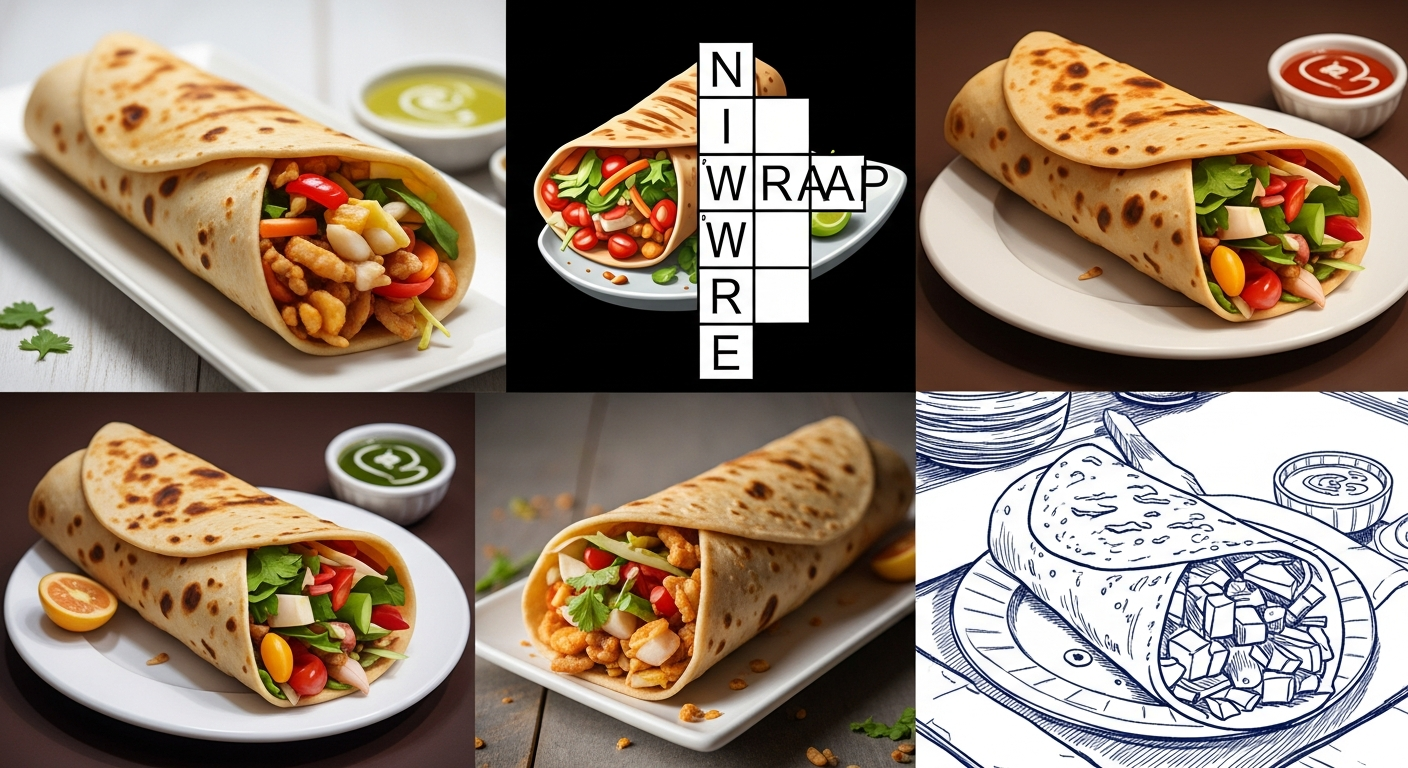
If you are stuck on the tricky crossword clue “indian wrap at a restaurant crossword clue,” you are not alone. Many people get puzzled when they see this in their puzzle books or online games. This clue points to a popular Indian food item that is easy to enjoy at restaurants and comes wrapped in flatbread. Understanding the answer can make solving the crossword easier and more fun. In this post, we will explain the answer, give some tips to recognize similar clues, and explore why this delicious wrap has made it into crosswords around the world.
Crossword puzzles often include food-related clues because they are familiar and universal. The clue “indian wrap at a restaurant crossword clue” usually refers to a simple, four-letter word connected to Indian cuisine. Knowing common Indian wraps like this can help you solve future puzzles faster. We will also share tips on spotting patterns in crossword clues and how to remember tricky answers. By the end of this guide, you will not only know the answer but also feel more confident tackling other food-related clues.
What Does Indian Wrap at a Restaurant Crossword Clue Mean?
The clue “indian wrap at a restaurant crossword clue” usually points to a small, tasty Indian food item that comes wrapped in flatbread, often enjoyed as a quick meal. Crossword puzzles love using food clues because most people recognize them, and they are easy to visualize. The answer to this specific clue is usually “KATI,” which is a famous type of Indian wrap made with grilled meat or vegetables rolled in a soft flatbread called roti. Knowing this can make solving crosswords much faster. When you see food-related clues, try thinking about popular dishes that are short words, commonly known in restaurants, and easy to spell. With practice, recognizing these clues will become second nature, and you will solve puzzles faster while learning fun food facts along the way.
Common Indian Wraps That Appear in Crossword Puzzles
Crossword puzzles often include popular Indian wraps because they are short, memorable, and globally recognized. Besides KATI, some puzzles may use words related to well-known Indian foods like Samosa, Roti, or Naan rolls. These foods are easy for solvers to picture and spell, making them perfect for clues. Learning about common Indian wraps can help you guess answers even if the puzzle seems tricky at first. Many wraps have unique flavors, like spicy chutneys or grilled fillings, which make them stand out in both real restaurants and crossword puzzles. When solving food clues, think about items that are widely served in restaurants, easy to eat with hands, and have short names. This strategy can save time and improve your crossword-solving confidence.
Tips to Solve Food-Related Crossword Clues Easily
Food-related crossword clues are usually straightforward if you follow a few strategies. First, focus on the number of letters in the answer and any intersecting words you already know. Second, think about short, common foods that are popular worldwide or in specific cuisines, like Indian wraps. Third, use the process of elimination: if a letter doesn’t fit, move to another possible word. Many crossword creators like using food clues because they are relatable and easy to visualize. Finally, practice makes perfect; the more puzzles you solve, the better you get at recognizing patterns in food clues, remembering common dishes, and filling in tricky answers without hesitation.
Why Crossword Creators Choose Indian Foods
Indian foods are a favorite choice for crossword clues because they are colorful, flavorful, and globally recognized. Creators often pick items like wraps, curries, or breads because they are simple, short words that fit well into grids. Using foods also makes puzzles fun and relatable for solvers of all ages. Crossword makers enjoy adding a cultural touch with Indian cuisine because it adds variety and a small educational element. Solvers often learn new foods while playing, which makes crosswords more interesting. These clues test both your general knowledge and your vocabulary, which is why Indian wraps appear in puzzles so often. Knowing popular dishes makes solving easier and more enjoyable.
How to Remember Answers Like Indian Wrap at a Restaurant Crossword Clue
Remembering answers like “KATI” can be easy if you use small memory tricks. Picture the wrap in your mind and associate it with restaurants or Indian meals you’ve seen before. Repeating the word out loud or writing it down a few times helps it stick. You can also group similar foods together in your memory, like roti, naan, and kati rolls. When you see food clues in other puzzles, your brain will quickly recall the answer because you practiced remembering it. Over time, these techniques make solving crosswords faster and more fun. Associating words with real foods and images helps improve memory and confidence while playing puzzle games.
Conclusion
Knowing the answer to indian wrap at a restaurant crossword clue can make solving puzzles fun and easy. Words like “KATI” are simple to remember and appear often in crosswords. Learning common Indian wraps can help you guess answers faster and enjoy the game more.
Practicing with food clues improves your memory and makes puzzles less tricky. By remembering popular dishes and thinking about restaurants, you will solve crossword clues confidently. The more you practice, the better you get, and solving puzzles becomes enjoyable.
FAQs
Q: What is the answer to indian wrap at a restaurant crossword clue?
A: The answer is usually “KATI,” a popular Indian wrap.
Q: How many letters is the answer usually?
A: The answer typically has 4 letters.
Q: Are there other Indian wraps in crossword puzzles?
A: Yes, words like Samosa, Roti, and Naan rolls sometimes appear.
Q: Why do crosswords use food clues?
A: Food clues are familiar, easy to visualize, and short, making them perfect for puzzles.
Q: How can I remember these food answers easily?
A: Picture the food, repeat the word, and group similar dishes in your memory for practice.